

Table of contents

.png)
3 Obot alternatives to consider in 2026



Jon Gitlin
As your employees use AI, you'll need to control the company tools their AI can reach, secure the credentials behind them, and keep a record of every action.
Obot is an open-source Model Context Protocol (MCP) gateway that can help.
It acts as a central control plane for AI agents. You onboard MCP servers from its catalog, set fine-grained tool-level access policies, broker credentials so agents never see raw tokens, and log every tool call.
Before deciding whether to use Obot as your AI governance platform, we'll help you evaluate it against its top competitors: Merge for Workforce, Runlayer, and MintMCP.
Merge for Workforce
Merge for Workforce is a governance layer between your employees' AI tools and the systems they connect to. It pairs managed MCP connectors with authentication, permission scoping, data loss prevention, and audit logging in one place.
Top features
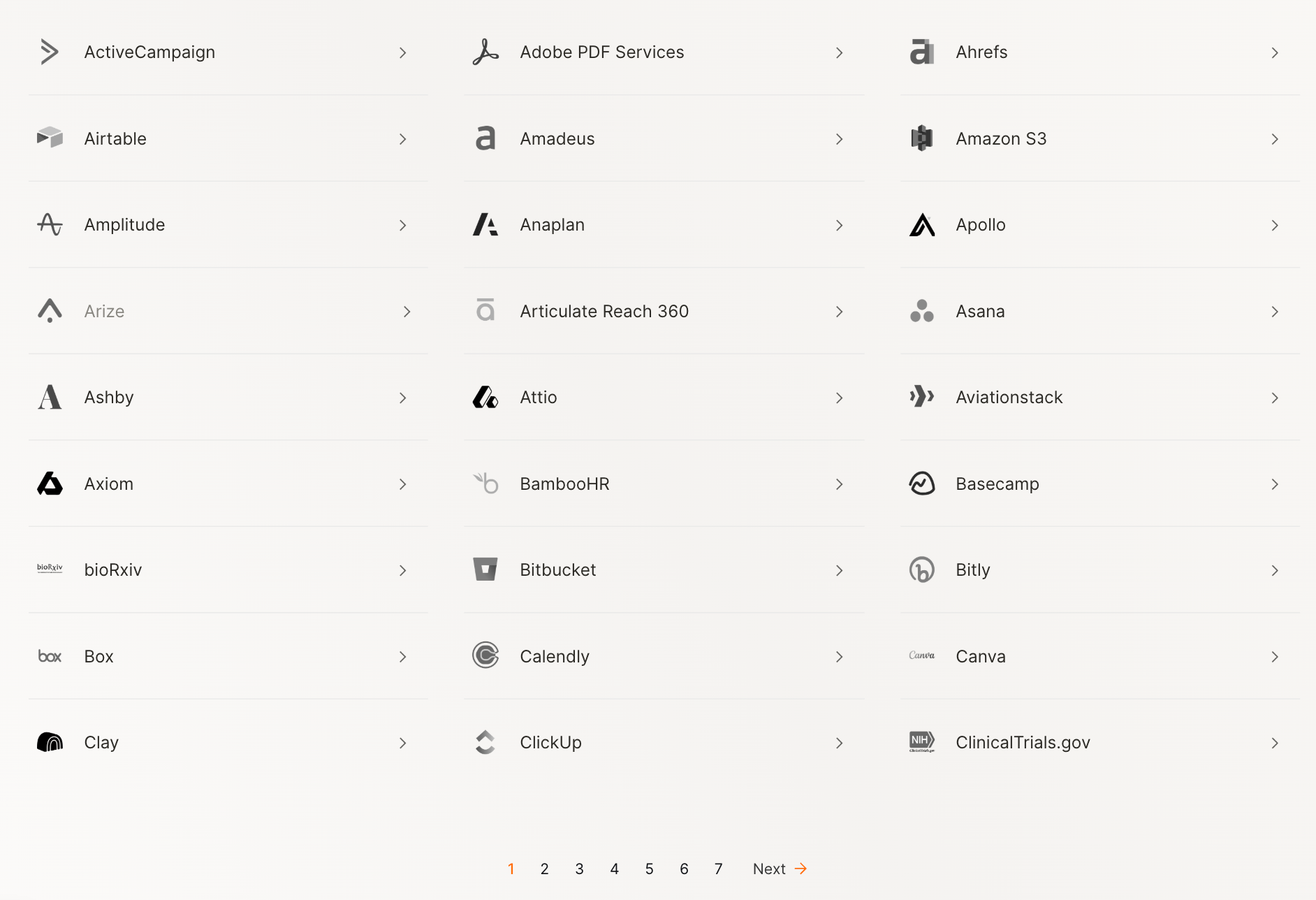
- Managed enterprise connectors: Connect employees' AI tools to hundreds of systems like Salesforce, Slack, and Jira through integrations Merge maintains
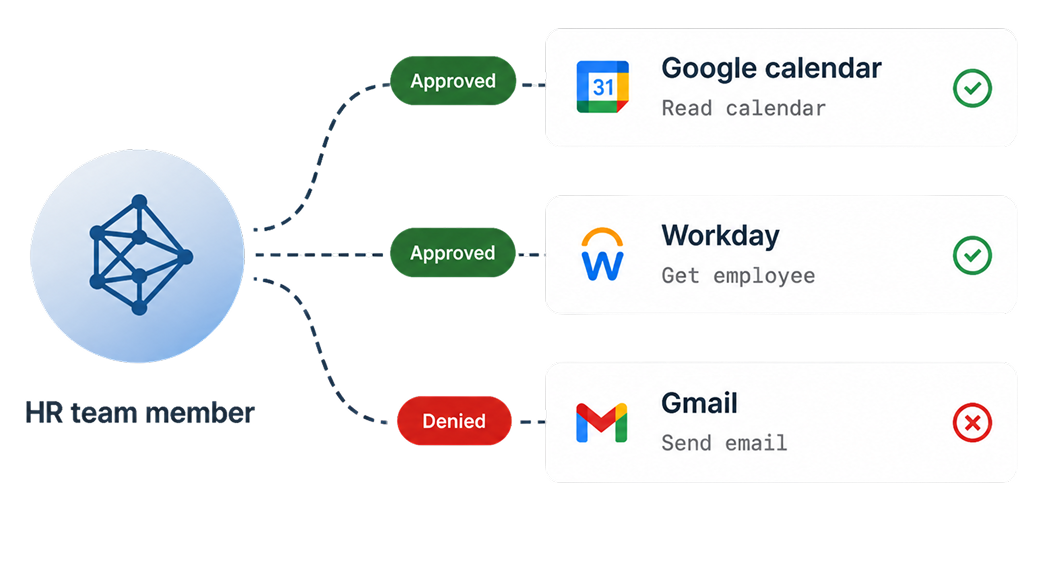
- Identity-based access control: Provision tool access from IdP systems like Okta over SCIM (System for Cross-domain Identity Management), and scope which connectors AI can reach
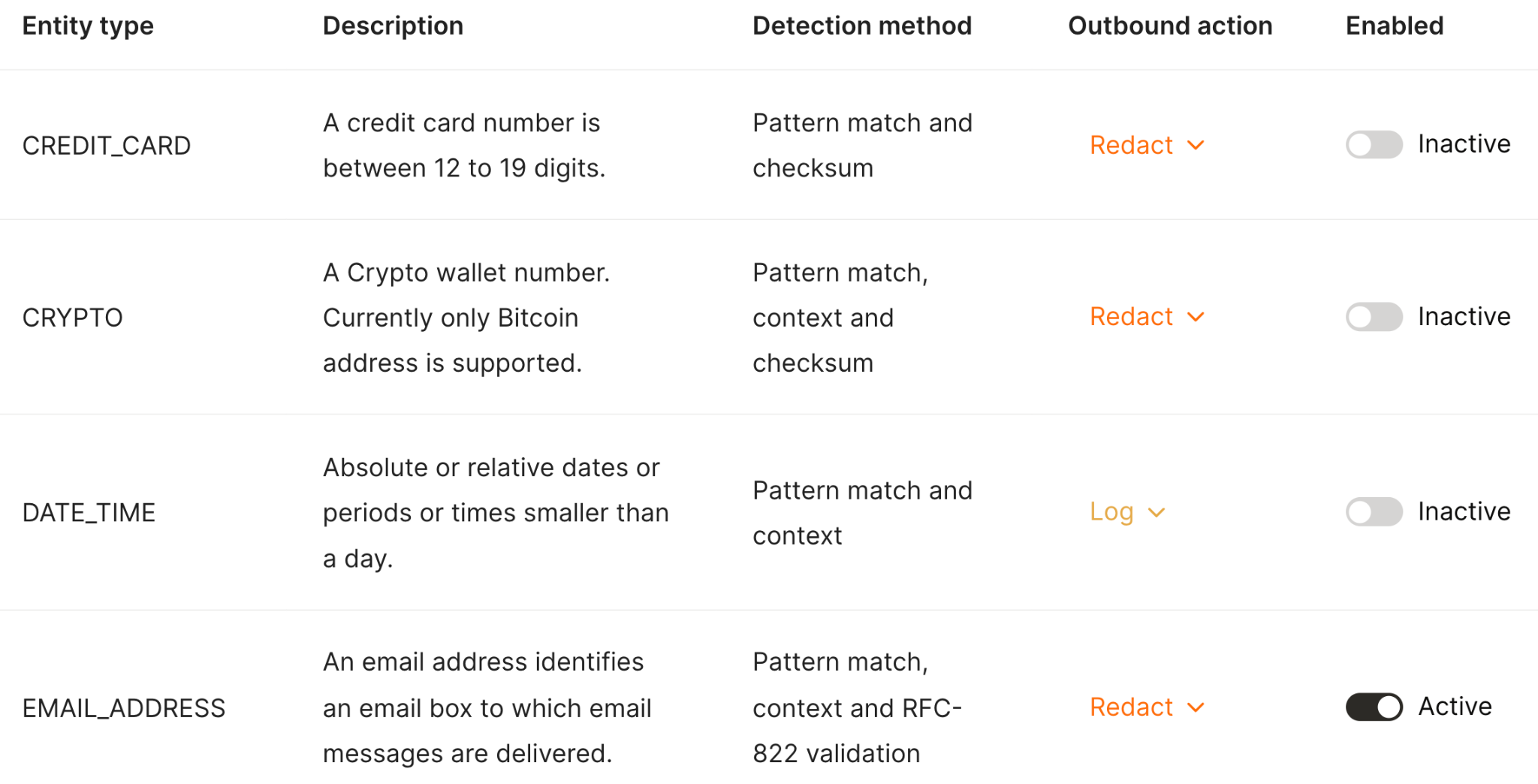
- Data loss prevention and audit logging: Inspect every tool-call input and output to block, redact, or mask sensitive data, and log every action for compliance
When to choose Merge for Workforce over Obot
- You’re looking for managed connectors, not a gateway to run yourself. Merge maintains hundreds of prebuilt integrations as a hosted service, while Obot is a gateway you self-host, with a catalog of roughly 80 MCP servers you need to deploy and maintain yourself
- You need access provisioned automatically from your IdP. Merge syncs with IdPs over SCIM, so tool access follows an employee's role and is revoked when it changes. Obot authenticates through your identity provider and lets you set per-user or per-group tool policy, but it doesn't provision or deprovision access automatically
- You want data loss prevention on every tool call. Merge inspects tool-call inputs and outputs and can block, redact, or mask sensitive data before it leaves. Obot keeps credentials away from agents so tokens never leave the gateway, but doesn't redact or mask the data flowing through those calls
{{this-blog-only-cta}}
Runlayer
Runlayer is an AI control and enablement layer built around a governed MCP gateway.
It connects to your identity provider, approved tools, and MCP servers, lets you discover and approve MCPs from a large public registry, and adds access control, security, and spend visibility.
Top features
- Discover and approve MCPs: Pick from a registry of 18,000+ public MCP servers, add your internal ones, and serve an approved set through a governed gateway
- Scan agents in real time: Screen tool calls, outputs, and sensitive data before execution, and surface shadow AI across unmanaged agents and clients

- Track AI spend: Monitor usage costs, adoption, and agent activity by team
When to choose Runlayer over Obot
- You want to build agents, not just connect tools. Runlayer lets you create reusable AI agents from the tools your teams already use, with governance built in. Obot governs and brokers access to tools but doesn't build agents
- You're looking to track AI spend by team. Runlayer monitors usage costs and adoption across teams, which helps when finance and security both need a view into AI usage. Obot logs every tool call for audits but doesn't track cost or spend
- You need to detect shadow AI across the organization. Runlayer discovers unmanaged agents, MCP servers, and unauthorized AI usage beyond what you've onboarded. Obot governs the servers and tools you bring into its gateway but doesn't discover AI usage outside it
Related: A guide to Runlayer alternatives
MintMCP
MintMCP provides agent governance through an MCP gateway that hosts thousands of MCP servers, uses virtual MCPs to simplify what agents connect to, and monitors what AI agents do at runtime.
Top features
- Bundle tools with virtual MCPs: Combine multiple servers and data sources behind one governed endpoint that abstracts setup and credentials
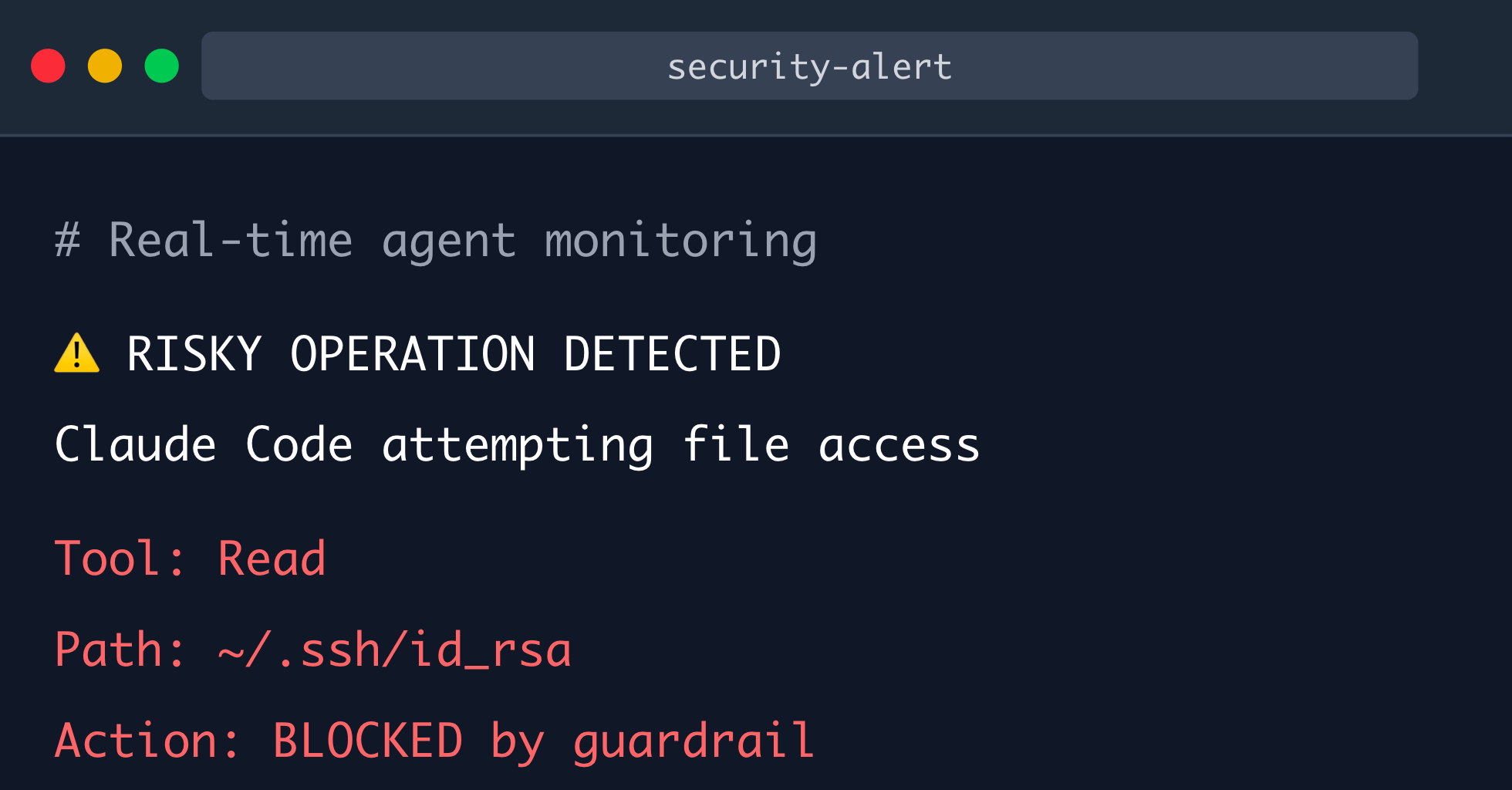
- Monitor coding agents: Watch tool calls from agents like Cursor and Claude Code in real time and apply security guardrails
- Flag exposed data: Detect secrets and personally identifiable information in the tool calls it brokers
Related: The top alternatives to MintMCP
When to choose MintMCP over Obot
- You want virtual MCPs that simplify what agents connect to. MintMCP composes multiple servers into one governed endpoint that hides setup and credential complexity. Obot exposes fine-grained per-tool permissions across servers but doesn't offer that virtual-MCP abstraction
- You need to monitor coding agents. MintMCP's agent monitor gives real-time visibility into tool calls from tools like Cursor and Claude Code, which fits when developers' AI tools are your main source of risk. Obot logs every tool call but isn't focused on the coding-agent workflow
- You’re looking for hosted integrations, not servers to deploy yourself. MintMCP provides 100+ hosted MCP integrations to tools like Salesforce, Notion, and Snowflake, so employees connect without standing up their own. Obot's verified catalog is roughly 80 open-source servers you deploy and run
{{this-blog-only-cta}}
Jon Gitlin


Don't settle for Obot
Learn why enterprise companies, like the leading streaming service, use Merge for Workforce to govern internal AI.


But Merge isn’t just a Unified
API product. Merge is an integration platform to also manage customer integrations. gradient text
But Merge isn’t just a Unified
API product. Merge is an integration platform to also manage customer integrations. gradient text
But Merge isn’t just a Unified
API product. Merge is an integration platform to also manage customer integrations. gradient text
But Merge isn’t just a Unified
API product. Merge is an integration platform to also manage customer integrations. gradient text