

Table of contents
.avif)

GLM-5.2 vs Claude Sonnet 5: how they compare on coding


Jon Gitlin
GLM-5.2 has become one of the most talked-about coding models of the summer, while Claude Sonnet 5 is the model most teams already default to for coding work.
We'll help you suss out whether GLM-5.2 is worth the hype by comparing it to Sonnet 5 on 3rd-party benchmarks and our own coding experiment.
Overview on GLM-5.2 and Claude Sonnet 5
GLM-5.2 is Z.ai's proprietary model, launched on June 16, 2026.
It's built for long-context, high-volume coding work. It uses a 1,000,000-token context window and pricing at $1.05 per million input tokens and $3.30 per million output, well under half of Claude Sonnet 5's rate on both sides.
Claude Sonnet 5 is Anthropic's proprietary workhorse model, released on June 30, 2026.
It pairs the same 1,000,000-token context window with a premium over GLM-5.2's pricing, at $2 per million input tokens and $10 per million output under Anthropic's introductory pricing (through August 31, 2026; standard pricing is $3/$15).
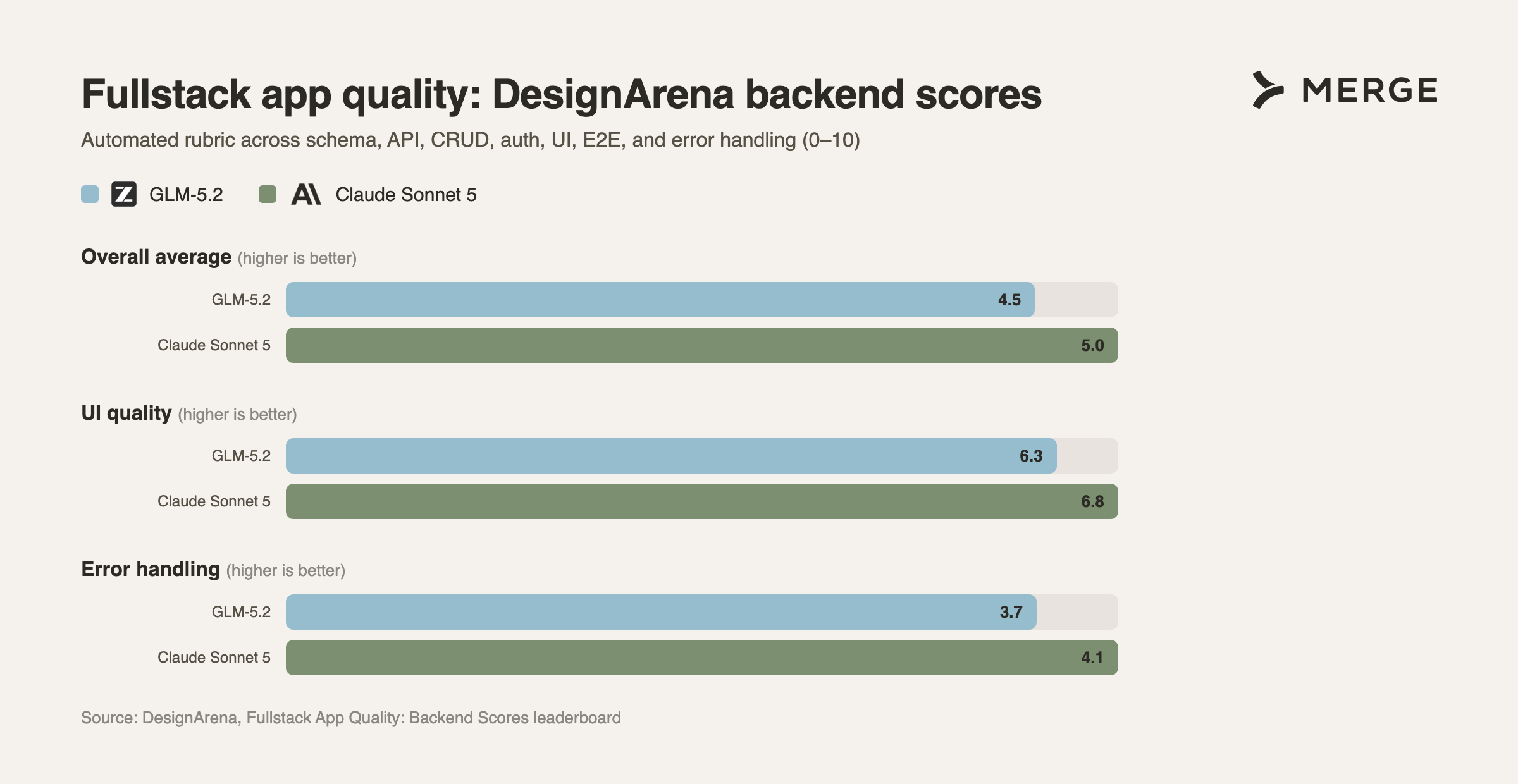
Neither model has a published Artificial Analysis Coding Agent Index score yet, so we turned to DesignArena's Fullstack App Quality rubric instead, an automated scoring pass across schema design, API design, CRUD operations, auth, UI, end-to-end flow, and error handling.
Claude Sonnet 5 posts a 5.0 average there, the stronger of the two, while GLM-5.2 scores 4.5. The gap holds in the individual categories we pulled out too: Claude Sonnet 5 leads on UI quality (6.8 vs 6.3) and error handling (4.1 vs 3.7).
Related: How Claude Sonnet 5 compares to GPT-5.6 Terra on coding
GLM-5.2 vs Claude Sonnet 5 (based on our research)
We wanted to see how that gap showed up in an actual build, so we ran our own test.
1. We wrote an identical prompt for both models: "Build the marketing homepage for a fictional company, Paithan, a clinical-trials data platform. It should be a single self-contained HTML file with a dynamic hero section."
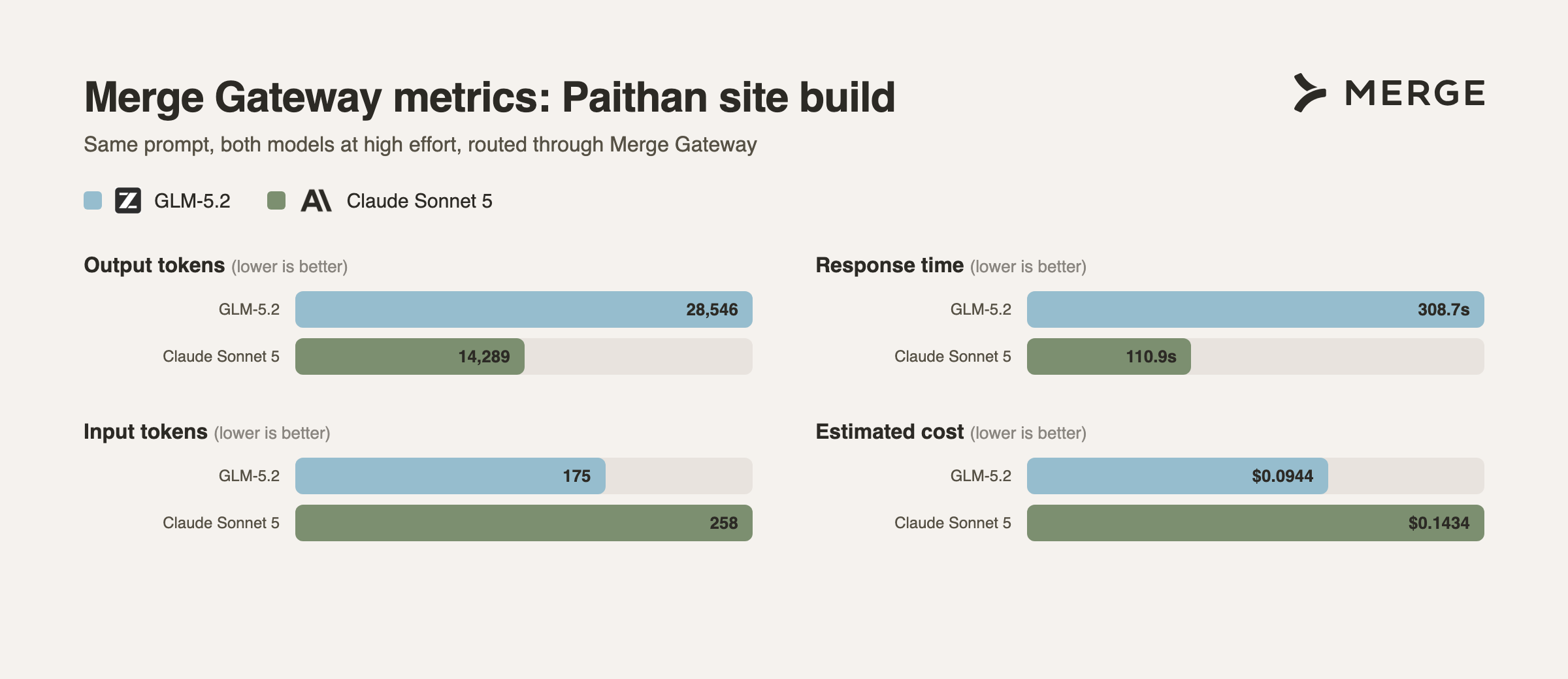
2. We routed that same prompt to each model through Merge Gateway at high reasoning effort, one generation each, and recorded the input tokens, output tokens, total response time, and estimated cost Gateway reported.
3. Then we rendered both results and looked at how the sites actually turned out.
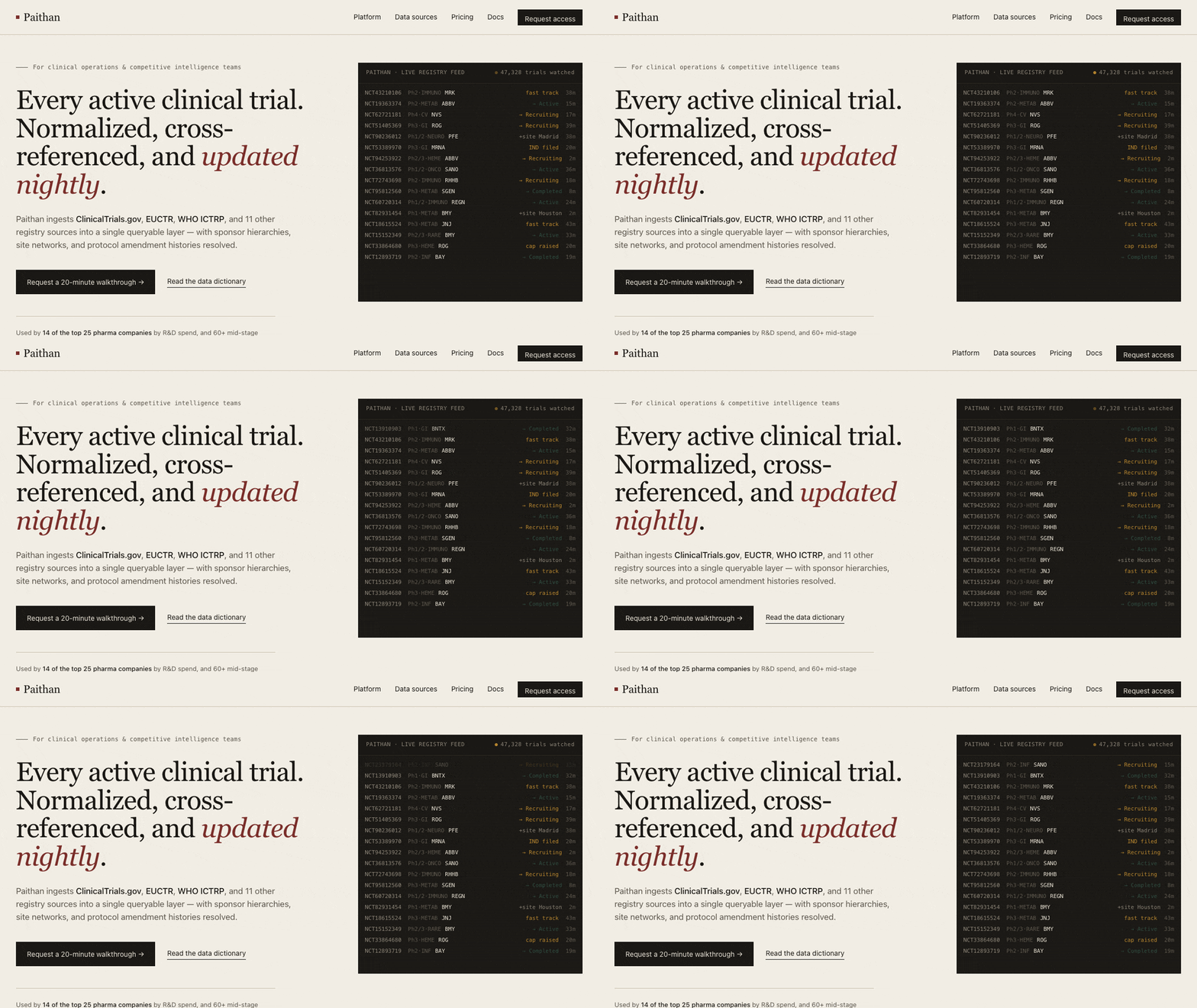
Here's GLM-5.2's hero:
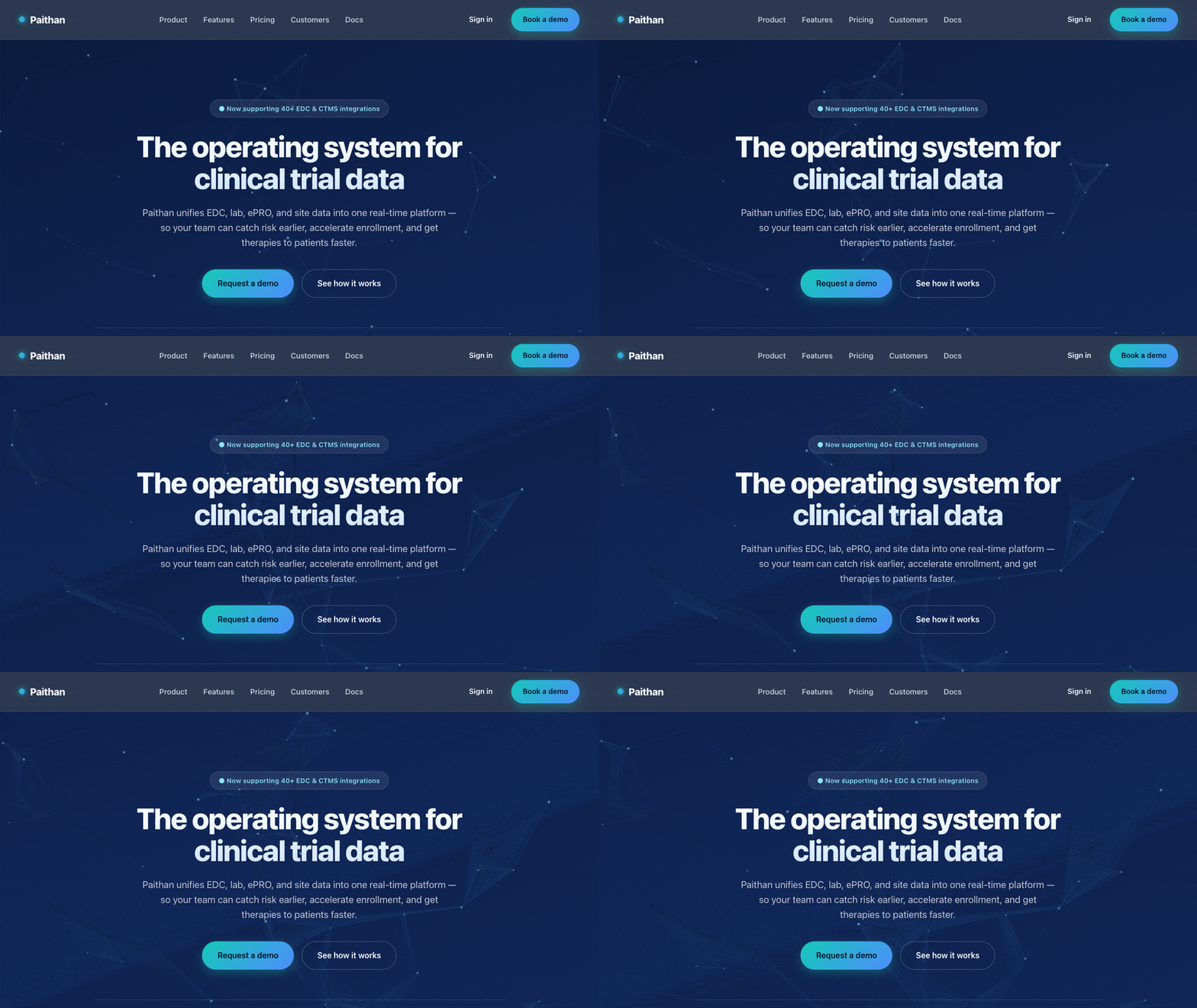
And Claude Sonnet 5's:
On the numbers, Claude Sonnet 5 was the faster, leaner run: 110.9 seconds and 14,289 output tokens against GLM-5.2's 308.7 seconds and 28,546. GLM-5.2 still finished cheaper overall, $0.0944 vs $0.1434, since its per-token pricing is well under half of Sonnet 5's even after generating twice the output.
Netting it out: GLM-5.2 wrote the more surprising, specific page, a named customer quote, real per-seat pricing figures, and four feature sections each paired with its own custom data visualization. But it dropped its entire nav menu on mobile with no hamburger fallback to replace it.
Claude Sonnet 5's page was more conventional (a standard feature grid and pricing table) but complete and correctly responsive. It also got there faster, though at a higher total cost despite using half the tokens.
Related: How Claude Sonnet 5 compares to Grok 4.5 (based on our research)
Final thoughts
One model isn't better at everything. GLM-5.2 is the pick when you want specific, detailed copy out of a single generation and you're working with a tighter budget. Claude Sonnet 5 is the pick when you want speed and a build that reliably holds together on mobile.
To reap the benefits of each model (and any other), you can use Merge Gateway to route each request to the model that best fits your requirements.
Merge Gateway lets you:
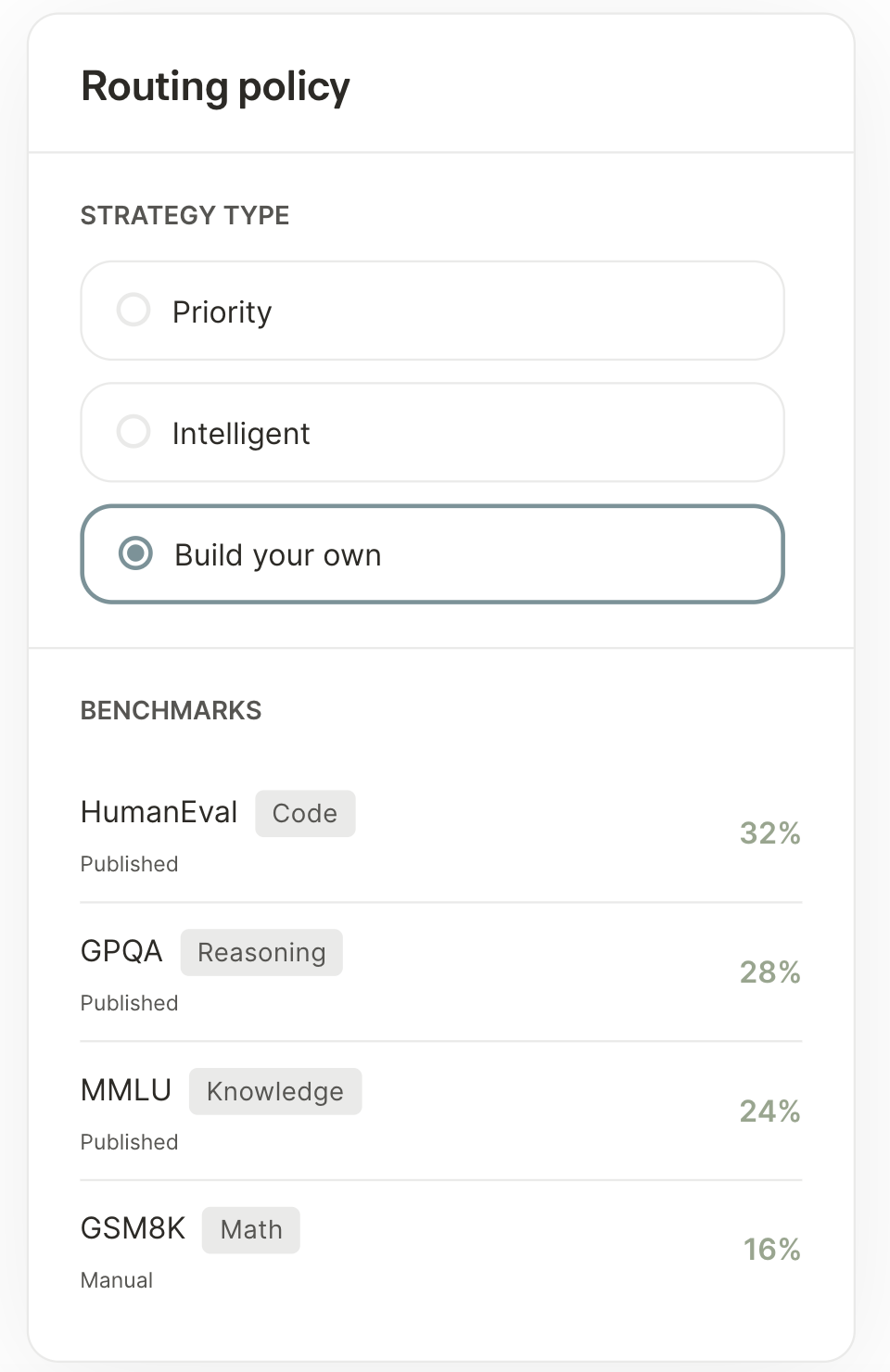
- Use Build Your Own Router (BYOR) to route on your own benchmark or eval scores, not just cost or latency
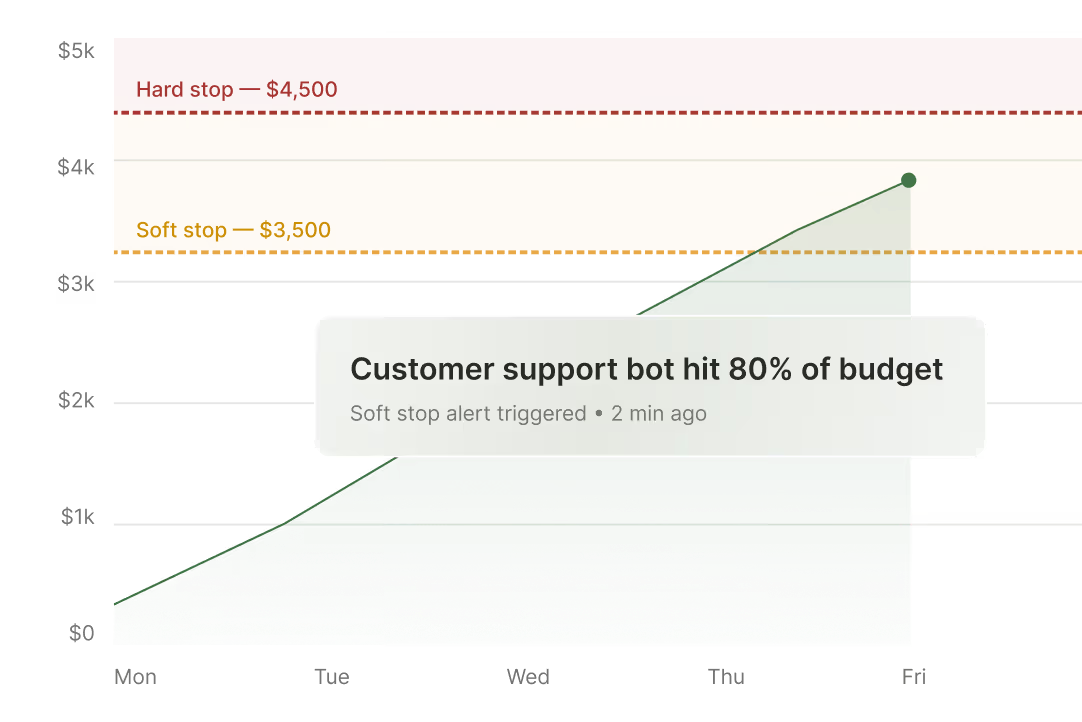
- Set budgets, spend limits, and per-project cost visibility so a high-volume workload can't quietly blow past plan
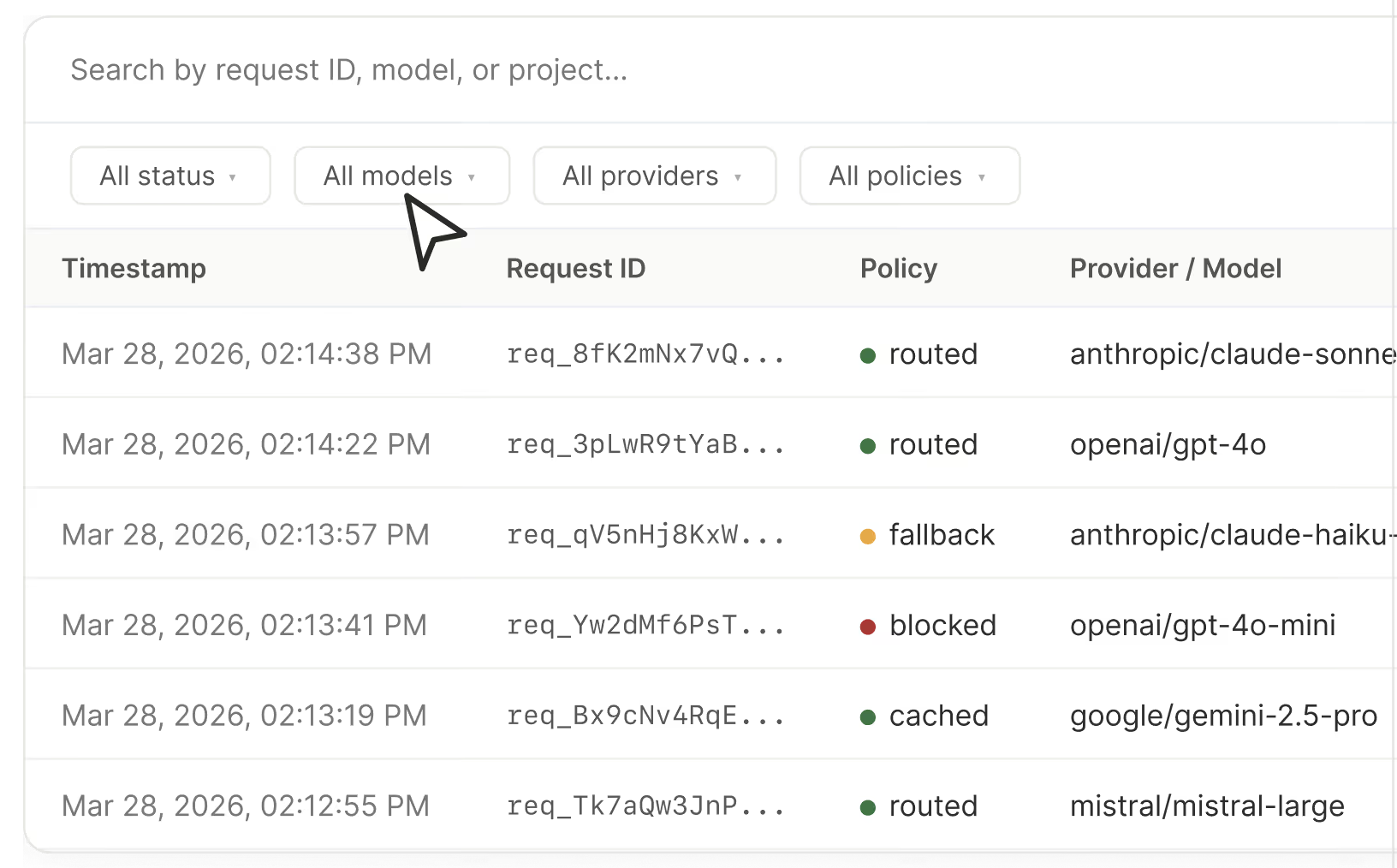
- Get per-request logging and tracing across every model and provider
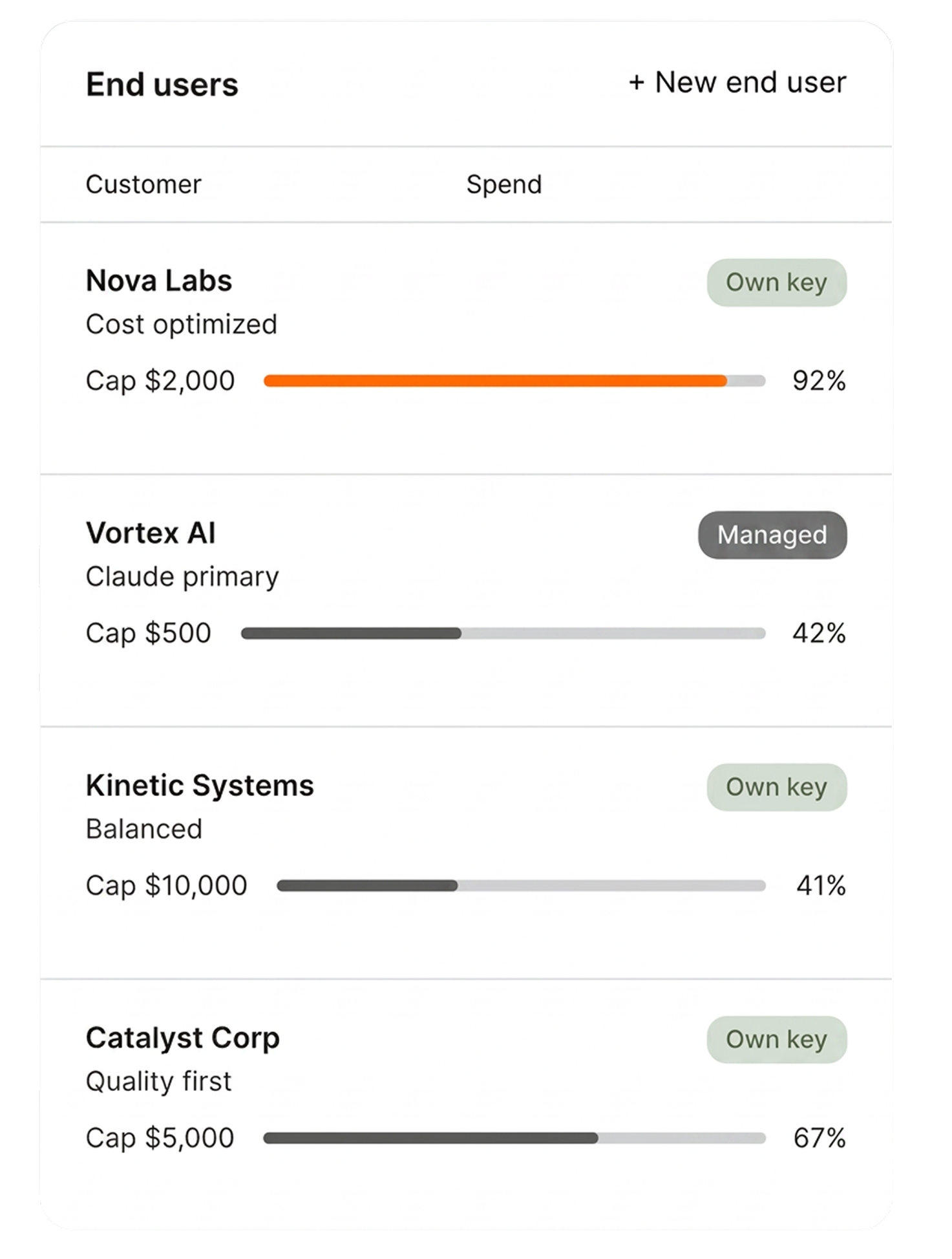
- Let each customer own their routing policies, credentials, and budgets, while their routing falls back to your organization defaults
- Fall back automatically when a provider errors or rate-limits, so a single outage doesn't take your feature down
{{this-blog-only-cta}}
GLM-5.2 vs Claude Sonnet 5 FAQ
In case you have any more questions on either model, we've addressed several more below.
What is the context window for GLM-5.2 and Claude Sonnet 5?
GLM-5.2 has a 1,000,000-token context window with a 128,000-token maximum output, per Z.ai's model documentation. Claude Sonnet 5 has the same 1,000,000-token context window with a 128,000-token maximum output (300,000 on the Message Batches API), per Anthropic's model documentation.
The two are evenly matched here. Both windows are large enough to hold a substantial codebase, long specs, and multi-file context in a single request, and both return comparably long single responses.
What other models should I consider besides GLM-5.2 and Claude Sonnet 5?
A few others are worth evaluating depending on your priorities:
- Claude Opus 4.8: ideal for the hardest agentic work, like large multi-file refactors and long autonomous runs
- Gemini 3 Pro: the long-context pick, best when a task means reasoning over a whole repo or a long spec in one pass before editing
- DeepSeek V4 Pro: an open-weight model that competes hard on cost. It's a good fit for high-volume or batch code generation where per-token price matters most
What are the most common coding use cases for GLM-5.2 and Claude Sonnet 5?
GLM-5.2 fits cost-sensitive, high-volume generation where detailed, specific output matters more than turnaround time, and where a tighter per-token budget is a real constraint.
Claude Sonnet 5 fits speed- and reliability-sensitive work: interactive coding assistants, agentic multi-step tasks, and one-shot builds like the site test above, where a complete, correctly responsive result on the first pass is worth a cost premium.
Jon Gitlin


Start routing requests to any model through Merge Gateway
Try Merge Gateway for free and route your next coding task to the model that fits it best.


But Merge isn’t just a Unified
API product. Merge is an integration platform to also manage customer integrations. gradient text
But Merge isn’t just a Unified
API product. Merge is an integration platform to also manage customer integrations. gradient text
But Merge isn’t just a Unified
API product. Merge is an integration platform to also manage customer integrations. gradient text
But Merge isn’t just a Unified
API product. Merge is an integration platform to also manage customer integrations. gradient text