

Table of contents

.avif)
Kimi K2.6 vs Claude Sonnet 4.6: how they compare on coding



Jon Gitlin
Kimi K2.6 and Claude Sonnet 4.6 can handle the everyday work developers hand a model: writing an integration against a third-party API, turning a schema into typed models, refactoring a module, or scaffolding a service and its tests.
Where they differ is the balance of quality, speed, and cost, and that balance decides which one belongs on which task.
To help you understand their strengths and weaknesses across coding tasks, we'll compare them using Artificial Analysis' research and our own build test.
Overview on Kimi K2.6 and Claude Sonnet 4.6
Kimi K2.6 is an open-weight model from Moonshot AI, released in April 2026. It's positioned as a cost-efficient, high-context option, with a 262,144-token context window and per-token pricing well below the frontier proprietary models.
Claude Sonnet 4.6 is a proprietary model from Anthropic, released in February 2026. It's Anthropic's balanced workhorse: a 1,000,000-token context window, strong coding and agentic performance, and pricing that sits above open models but below the largest frontier tiers.
On the Artificial Analysis Coding Agent Index, Claude Sonnet 4.6's benchmarked stack (medium effort, via Claude Code) posts a 54.2, while Kimi K2.6 (via Claude Code) scores 47.0. Sonnet is also far faster per task, at roughly 825 seconds to Kimi's 2,473 seconds, though it produces more output along the way (51,087 vs 35,097 output tokens per task).
That combination for Kimi, fewer tokens but much longer wall-clock time, points to lower throughput.
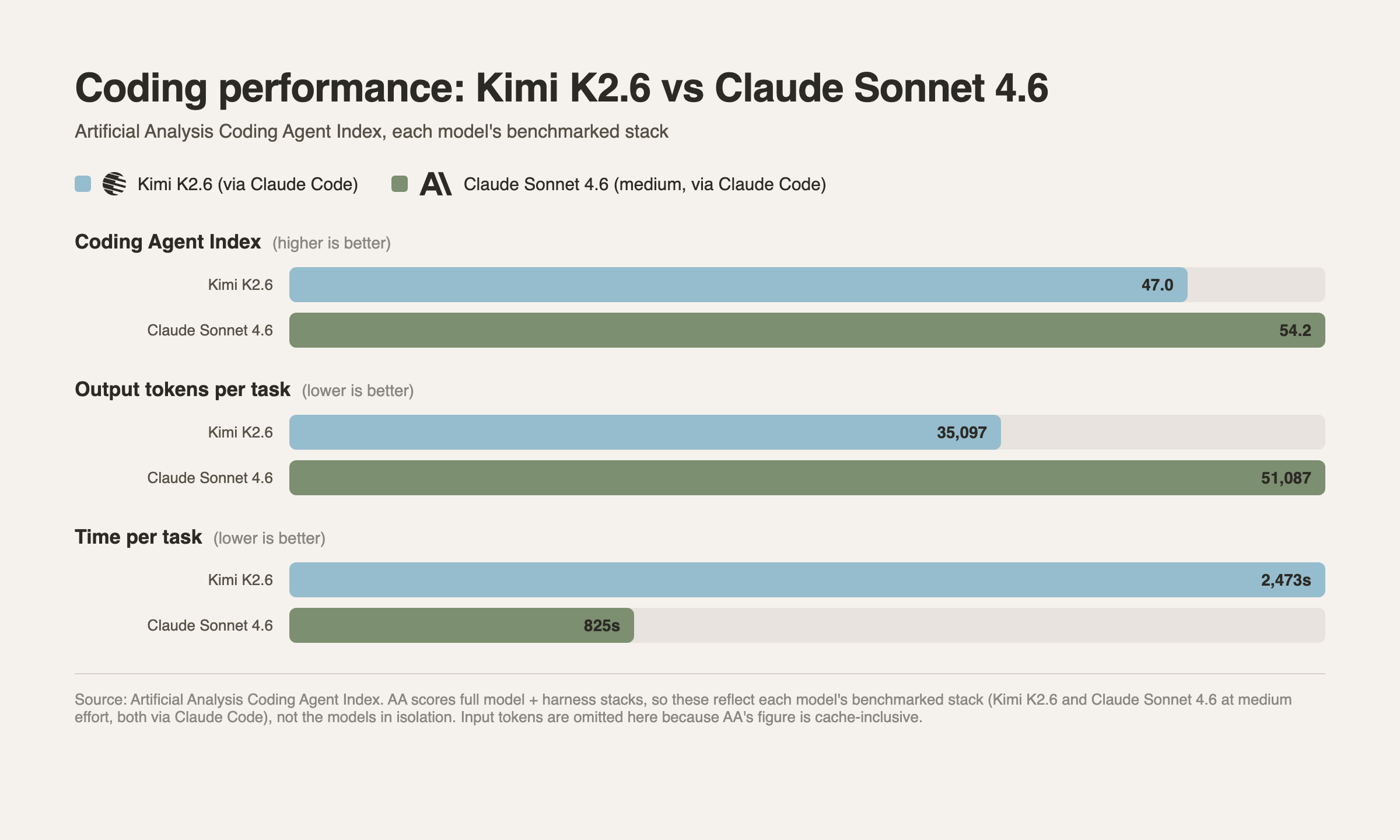
Note: AA scores full model-and-harness stacks, not models in isolation, so these figures reflect each model's benchmarked stack (both via Claude Code, with Sonnet 4.6 at medium effort) rather than a pure model-to-model read.
Related: How GPT-5.6 Terra compares to Claude Sonnet 5
Kimi K2.6 vs Claude Sonnet 4.6 (based on our research)
We wanted to see how that played out on a real build, so we ran our own test.
1. We wrote one identical prompt for both models: "Build the marketing homepage for a fictional company, Kestrel, a cloud-cost management platform. It should be a single self-contained HTML file with a dynamic hero section, a nav bar, features, social proof, a pricing or CTA section, and a footer."
2. Route that same prompt to each model through Merge Gateway at high reasoning effort, one generation each, and record the input tokens, output tokens, total response time, and estimated cost Gateway reported.
3. Render both results and looked at how the sites actually turned out.
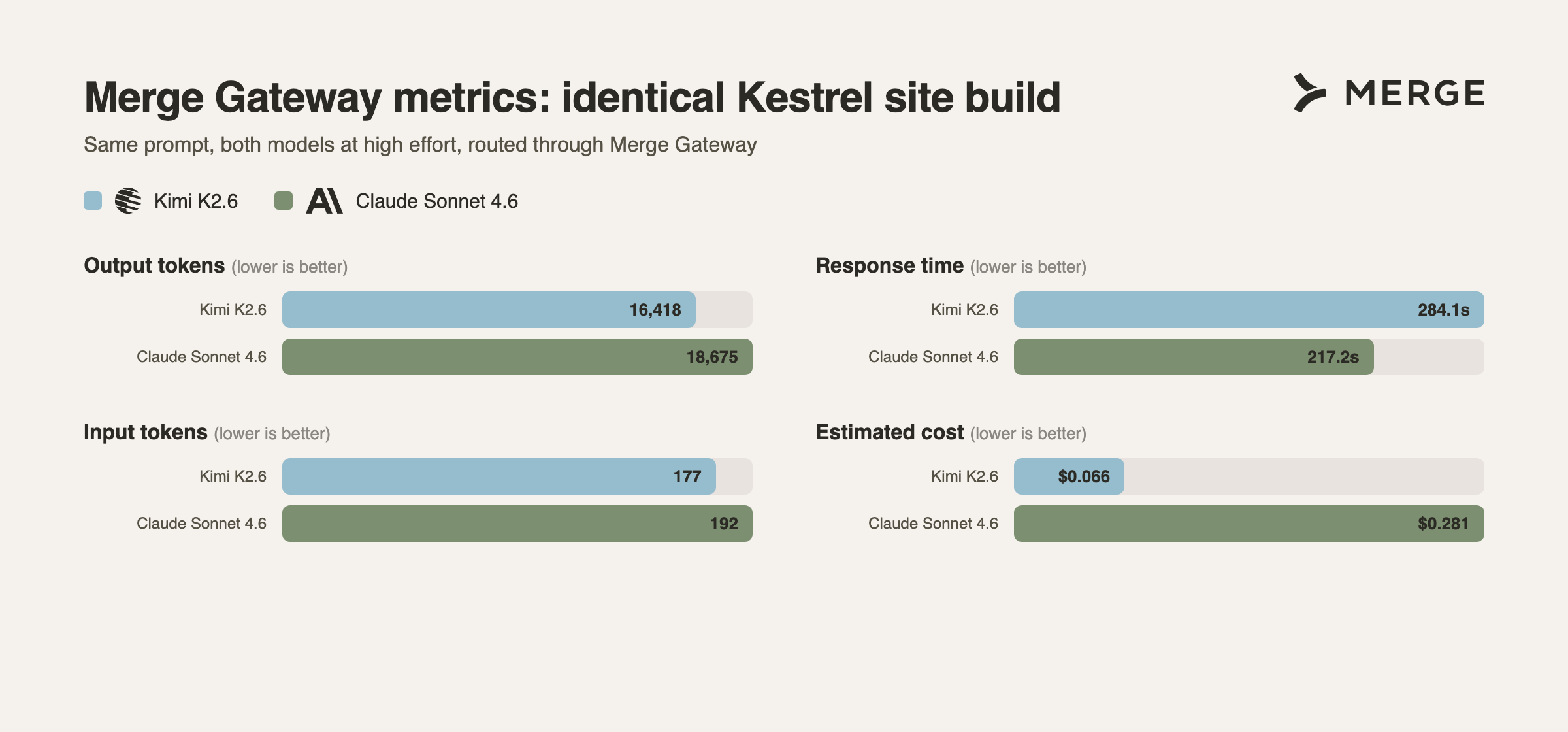
The quantitative result tracks the Artificial Analysis pattern. Claude Sonnet 4.6 finished faster (217.2s vs 284.1s) while producing more output (18,675 vs 16,418 tokens).
Kimi K2.6 was the leaner and dramatically cheaper run: at $0.066 versus $0.281, the same page cost about 4.3x less to generate with Kimi. On a one-off build that difference is rounding error; across millions of generations the difference adds up fast.
The more interesting story is what each model actually built.
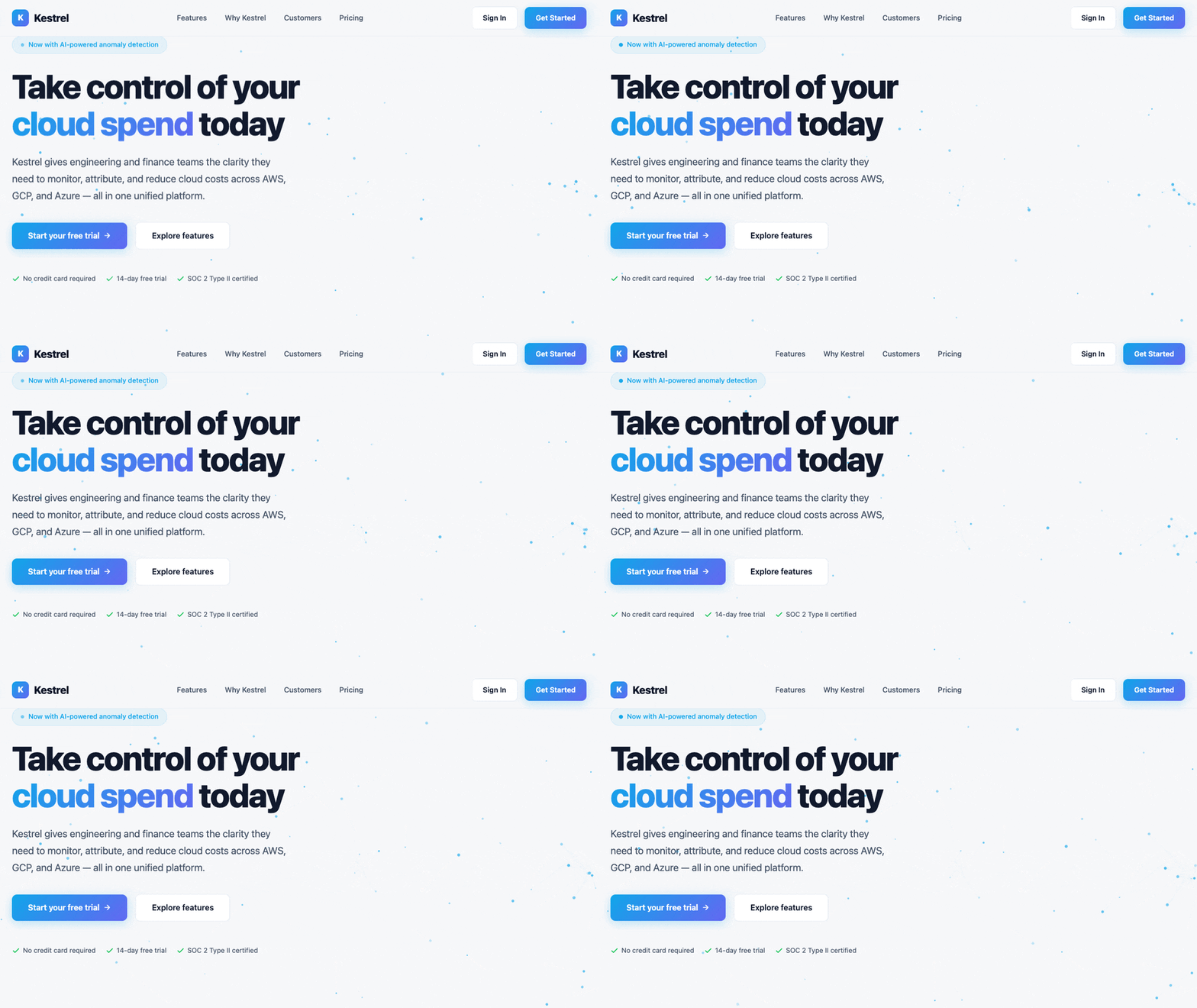
Here's Kimi K2.6's hero:
And Claude Sonnet 4.6's:
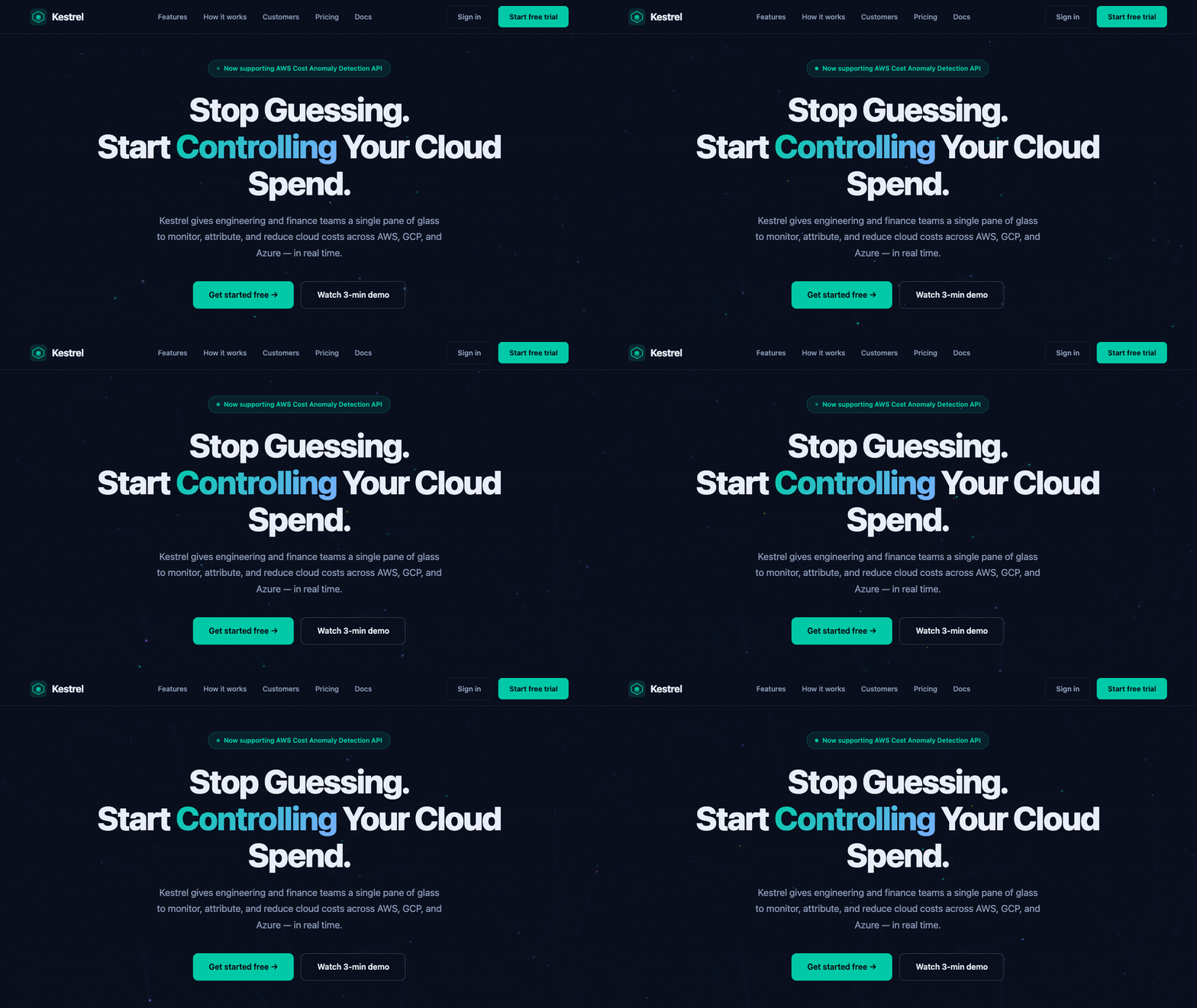
The two builds came out close. Both nailed the hard part, a genuinely moving hero and real Kestrel-specific copy.
Sonnet edged ahead on the finishing touches (a fuller nav, a bolder design, and a hero that fills the frame), while Kimi built more sections. But both fell short in the same spot: neither adapts to a phone screen, keeping the desktop menu and running off the edge.
Overall, this experiment is in line with Artificial Analysis' data.
Sonnet 4.6 is the slightly more polished and notably faster result, with a fuller nav and a punchier voice. Kimi K2.6 produced a comparably complete, arguably more detailed page for roughly a quarter of the cost. The AA index gap (54.2 vs 47.0) is also real but modest, and on a straightforward marketing-site build it didn't translate into a dramatic quality difference. The decision came down to speed and finish versus cost.
Related: How DeepSeek V4 Pro compares to GPT-5.5 on coding tasks
Final thoughts
Neither model is the right answer for every coding task.
Claude Sonnet 4.6 is the pick when quality and latency matter most (e.g., complex refactors or debugging), while Kimi K2.6 is the pick when cost and throughput are more important (e.g., large-scale test scaffolding).
To reap the benefits of each model and any other, you can use Merge Gateway to route each request to the model that best fits your requirements.
Merge Gateway lets you:
- Reach every major model, including Kimi K2.6 and Claude Sonnet 4.6, through one API and one integration
- Use Build Your Own Router (BYOR) to route on your own benchmark or eval scores, not just cost or latency
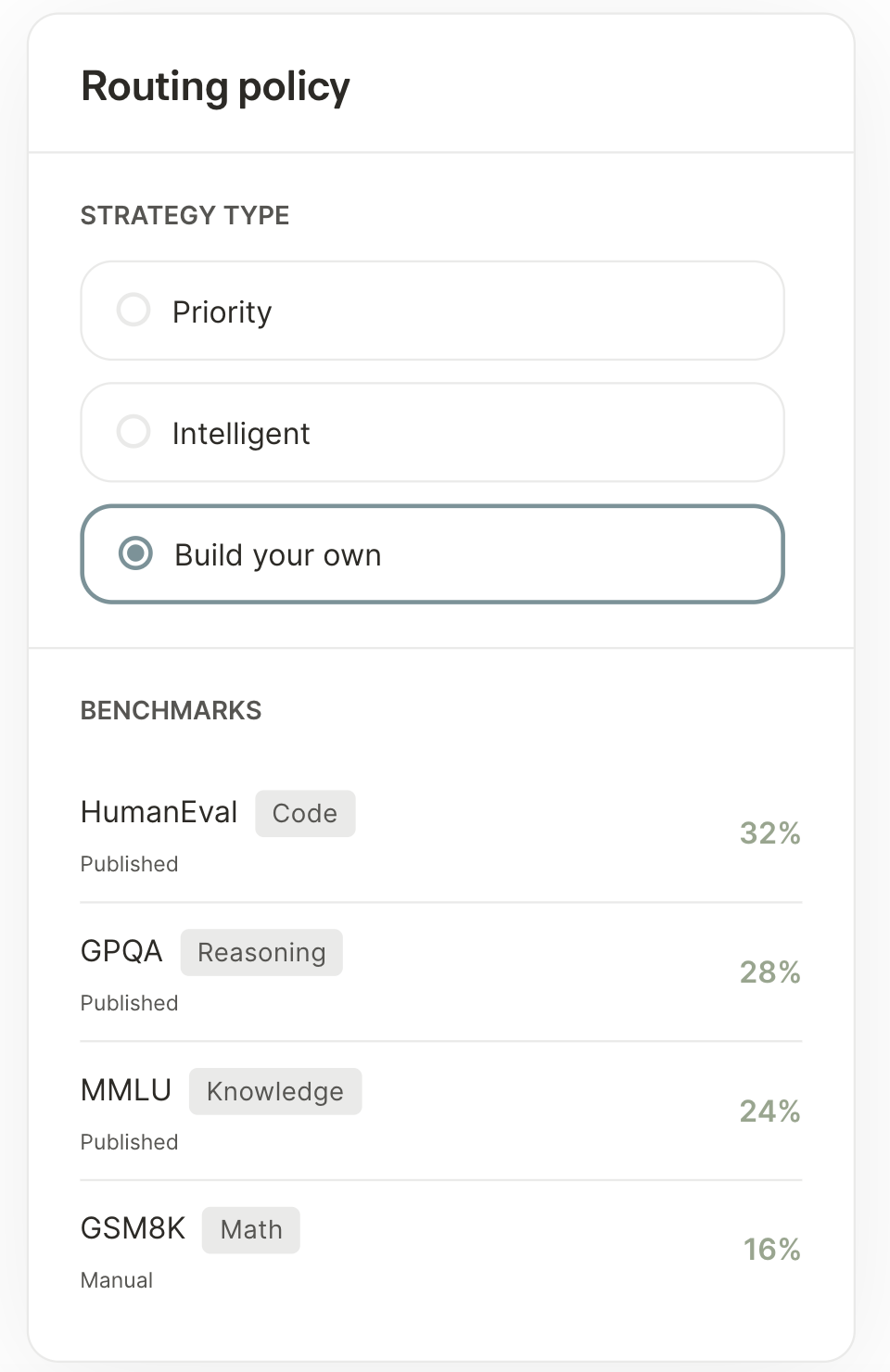
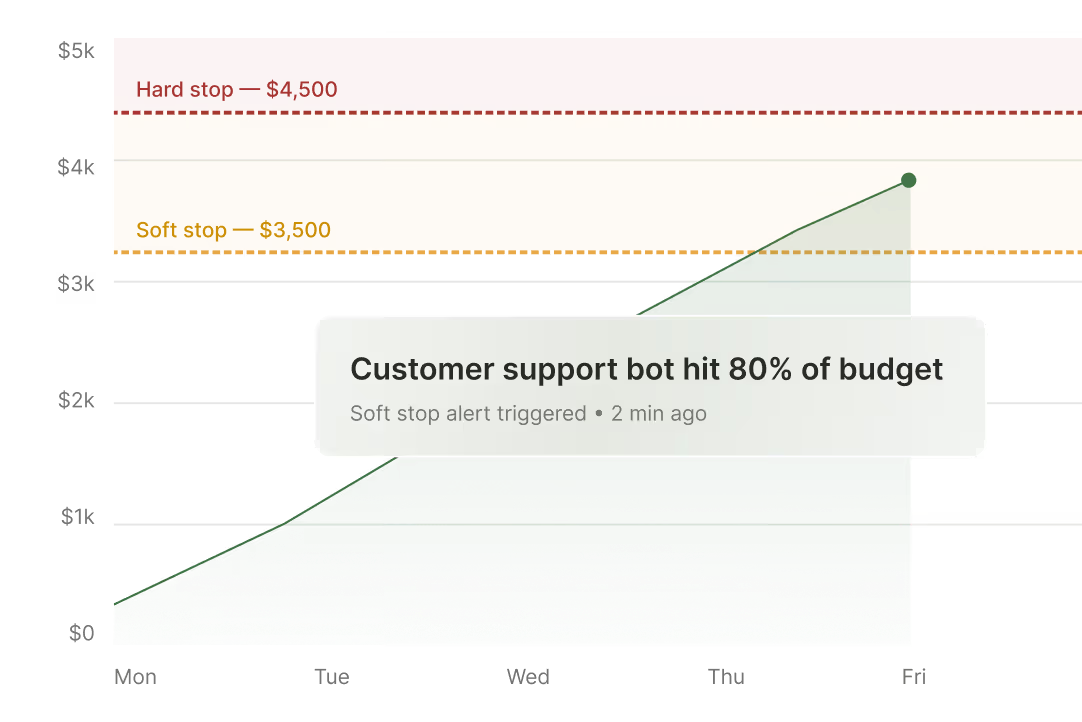
- Set budgets, spend limits, and per-project cost visibility so a high-volume workload can't quietly blow past plan
- Get per-request logging and tracing across every model and provider
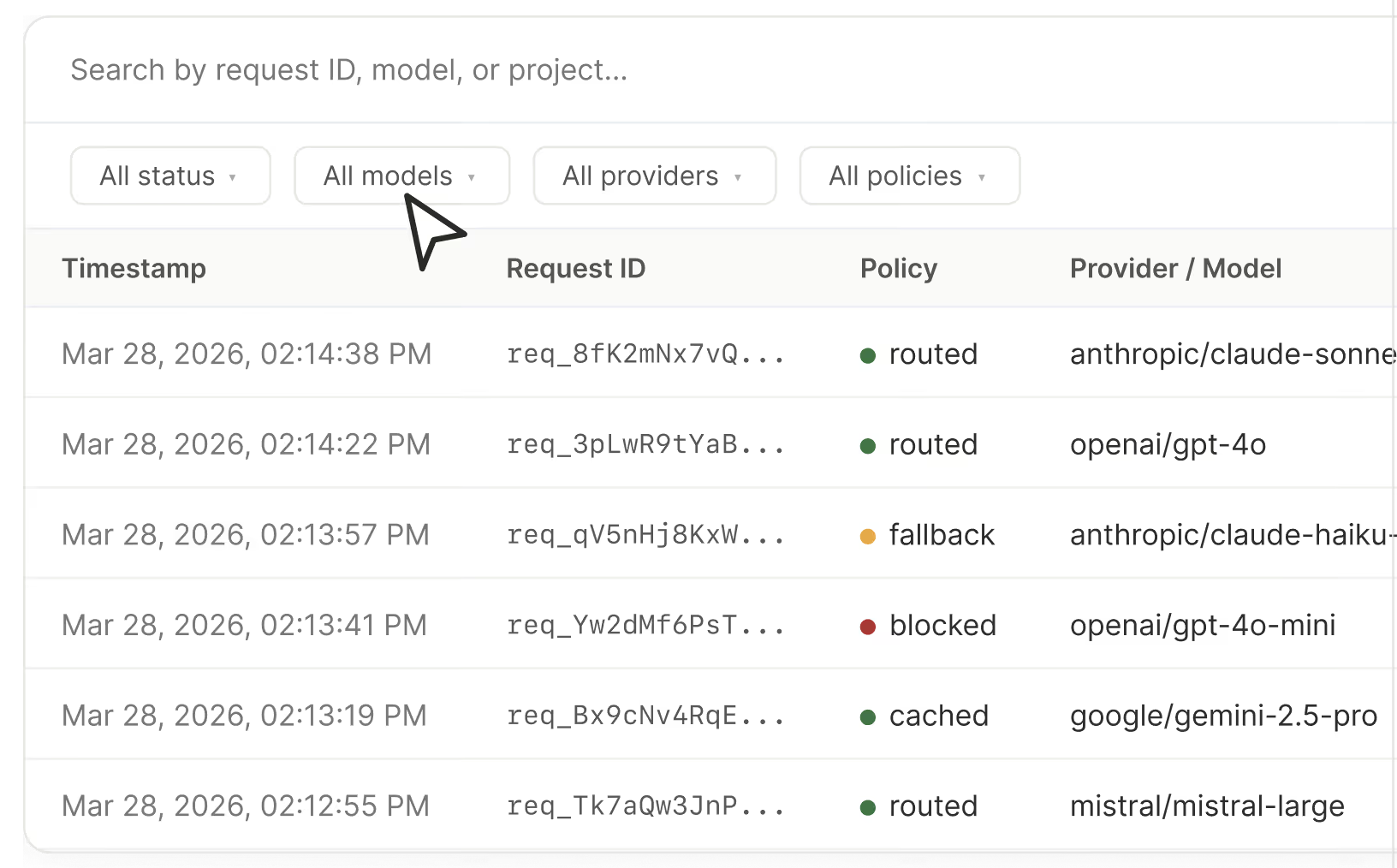
- Fall back automatically when a provider errors or rate-limits, so a single outage doesn't take your feature down
{{this-blog-only-cta}}
Kimi K2.6 vs Claude Sonnet 4.6 FAQ
In case you have any more questions on either model, we've addressed several more below.
What is the context window for Kimi K2.6 and Claude Sonnet 4.6?
Kimi K2.6 has a 262,144-token context window, and as an open-weight model from Moonshot AI its weights and specs are published on Moonshot's Hugging Face page. Claude Sonnet 4.6 has a 1,000,000-token context window with a 64,000-token maximum output, per Anthropic's model documentation.
Both context windows are large enough to hold a substantial codebase, long specs, and multi-file context in a single request. Sonnet 4.6's window is roughly 4x larger, which matters most for whole-repository reasoning, while Kimi K2.6's 262K is still ample for the large majority of coding tasks.
What other models should I consider besides Kimi K2.6 and Claude Sonnet 4.6?
No single model wins every coding task, so a few others are worth evaluating depending on your priorities.
DeepSeek V4 Pro is a strong open-weight option that competes closely with Kimi on cost. GPT-5.5 sits at the frontier end for the hardest reasoning and agentic tasks, and Gemini 3 Pro is worth a look for long-context work.
What are the most common coding use cases for Kimi K2.6 and Claude Sonnet 4.6?
Kimi K2.6 fits cost-sensitive, high-volume work: bulk code generation, background and batch jobs, test scaffolding, and internal tooling where its lower per-token price compounds in your favor and its slower per-task time is acceptable. As an open-weight model, it's also the more natural choice for teams that want flexibility in where and how a model runs.
Claude Sonnet 4.6 fits quality-first and latency-sensitive work: interactive coding assistants, agentic tasks that chain many tool calls, and complex refactors or debugging where its higher Coding Agent Index score and faster response time translate into fewer retries and less cleanup.
Jon Gitlin
.png)
.png)

Start routing requests to any model with Merge Gateway
Try Merge Gateway for free and route your next coding task to the model that fits it best.


But Merge isn’t just a Unified
API product. Merge is an integration platform to also manage customer integrations. gradient text
But Merge isn’t just a Unified
API product. Merge is an integration platform to also manage customer integrations. gradient text
But Merge isn’t just a Unified
API product. Merge is an integration platform to also manage customer integrations. gradient text
But Merge isn’t just a Unified
API product. Merge is an integration platform to also manage customer integrations. gradient text