


How Zensai closed more than USD 300K in ARR within months of adding Merge’s HRIS integrations
How Zensai closed more than USD 300K in ARR within months of adding Merge’s HRIS integrations
USD 400K
saved in engineering costs by outsourcing their integrations to Merge
60+
HRIS integrations added within days via Merge
USD 300K
in ARR closed within months of adding the HRIS integrations

Zensai fact sheet
Product
Human Success Platform
HQ
Aarhus, Denmark
Industry
Employee Management
Merge category
No items found.
Merge Common Models
Within the first three months of using Merge, our HRIS integrations have enabled our team to close several new customers—representing more than USD 300k in ARR. This translates to a 6X return on investment.
%20(1).jpg)
Andy Roberts
Problem
Building HRIS integrations in-house wasn’t scalable
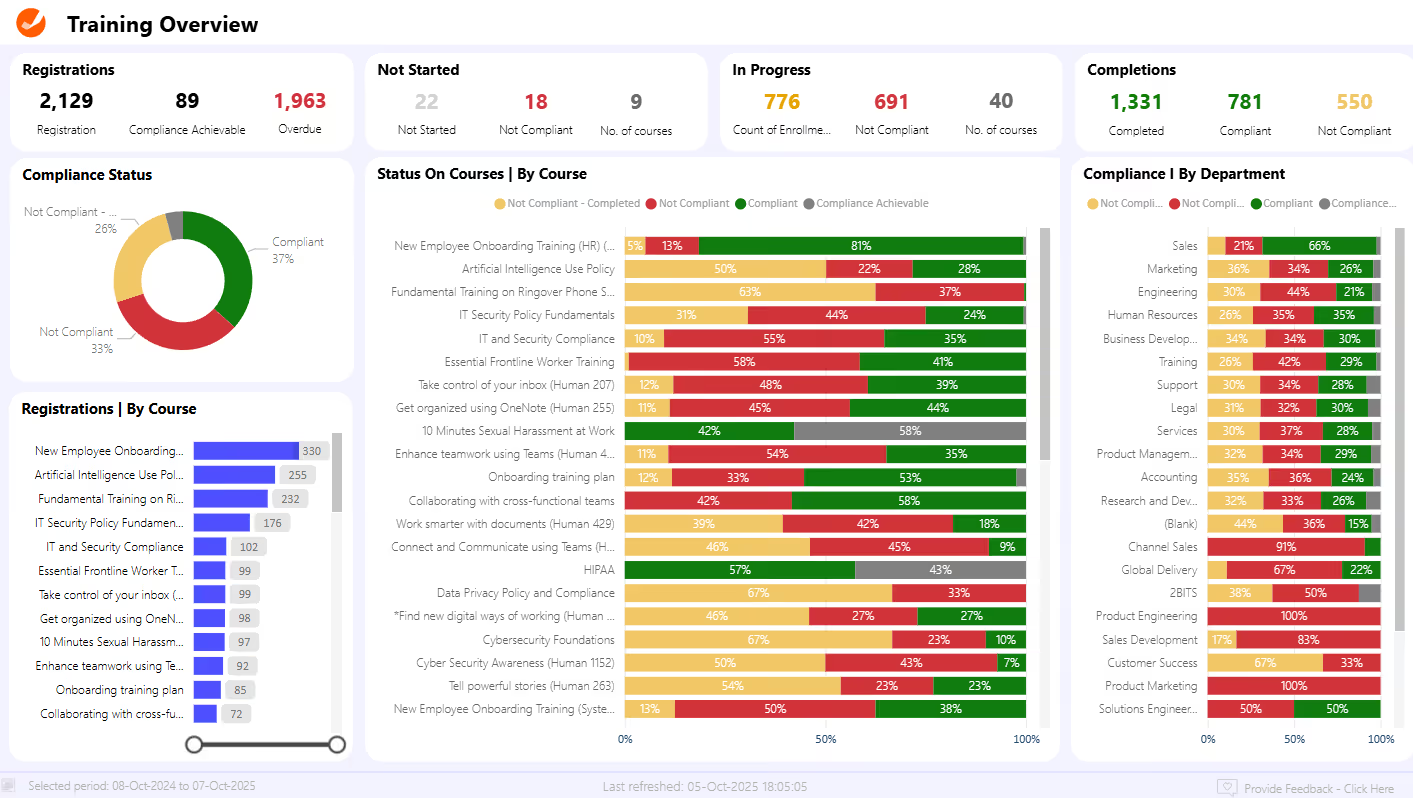
Zensai is a Human Success Platform that empowers employees to achieve their full potential through three core solutions: Learn365 (a learning management system), Perform365 (a performance management platform), and Engage365 (an employee engagement tool).
Zensai is focused on delivering their solution on the Microsoft eco-system, so they have deep integrations with core Microsoft products. But Zensai also had a significant number of Learn365 customers who needed to bring data directly from human resource information systems (HRIS) to support key product workflows, such as automated course assignments.
Building and maintaining HRIS integrations for Learn365 internally, however, wasn’t scalable.
According to Andy Roberts, Chief Product Officer at Zensai:
“Building HRIS integrations one by one would take us several months and it’d move engineers away from developing our human success platform.”
As their team started to evaluate 3rd-party solutions, they narrowed their list down to Kombo, Finch, and Merge.
Andy explains why Merge stood out:
“After evaluating Merge against Kombo and Finch, it was clear Merge would provide us with the most responsive and strategic support. Merge’s HRIS integrations are also the most robust, reliable, and secure.”
Solution
Launching 60+ HRIS integrations in days with Merge’s Unified API
Zensai connected to Merge’s Unified API within days and they were then able to add over 60 HRIS integrations, including BambooHR, HiBob, Deel, and UKG.
These integrations now make up Zensai’s Integrate365 offering.
Here’s how their integrations work:
1. A user would log into Learn365, select the LMS Configuration tab, and then click on Integrate365.
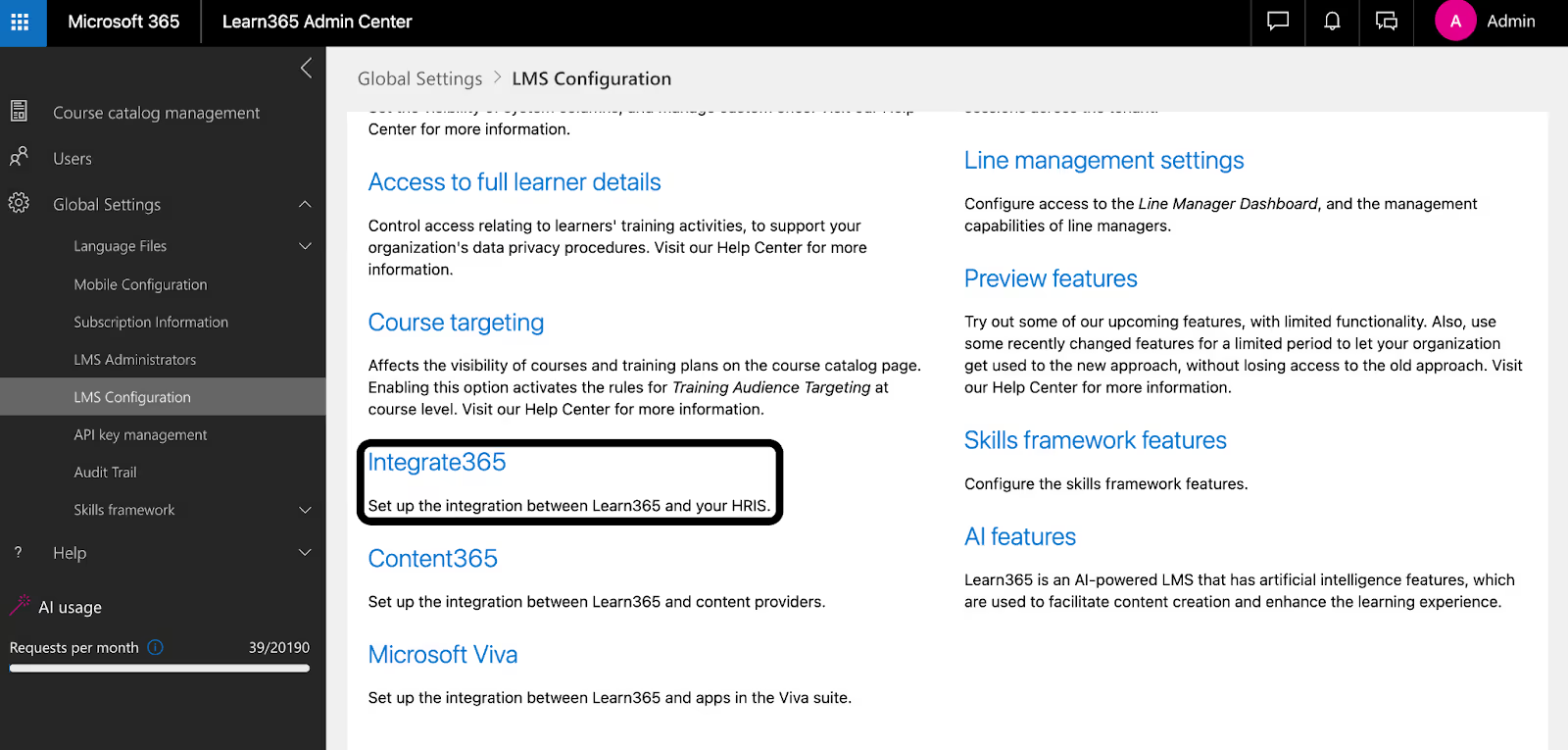
From there, they can see all of the available HRIS integrations via Merge Link, an embeddable UI component.
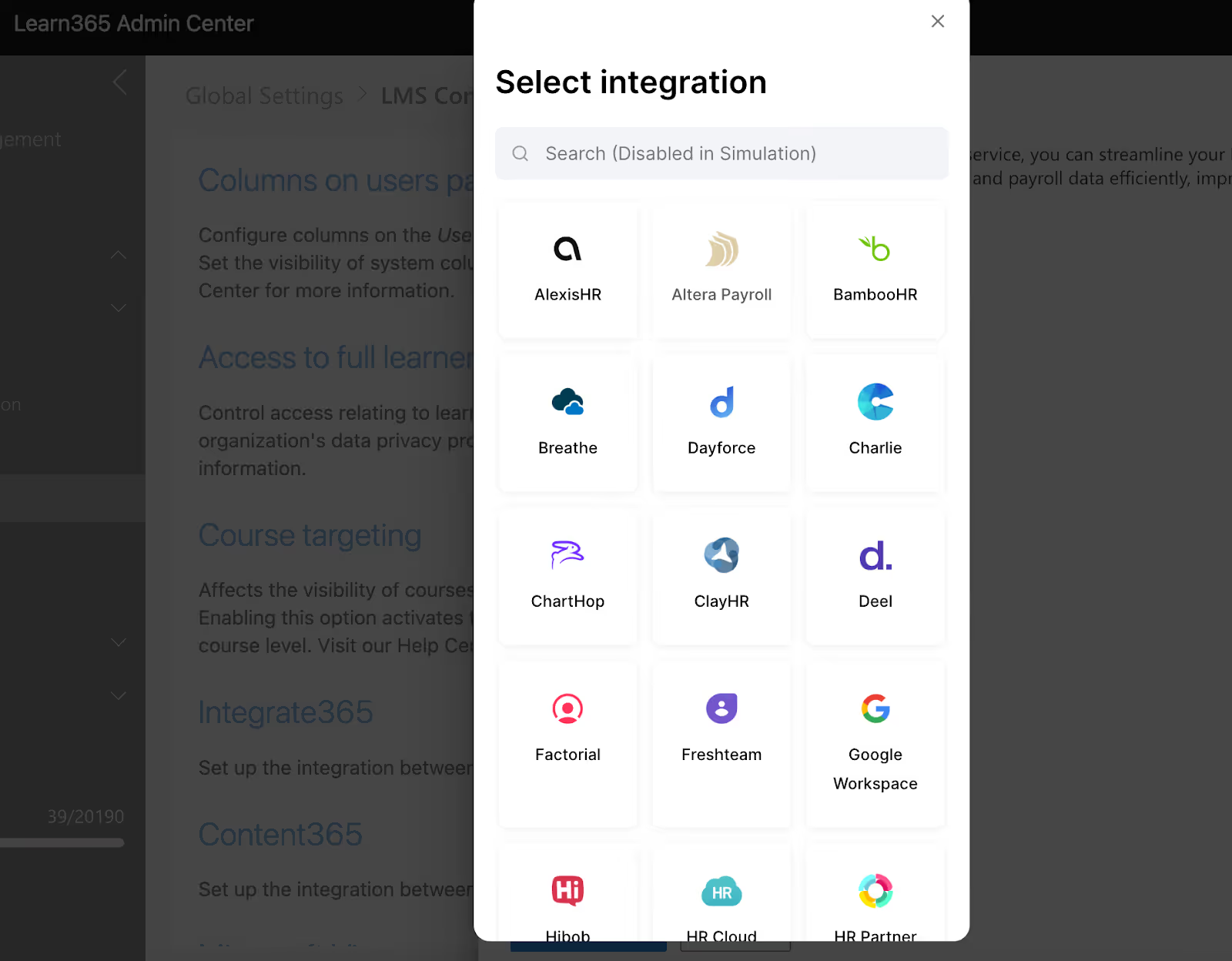
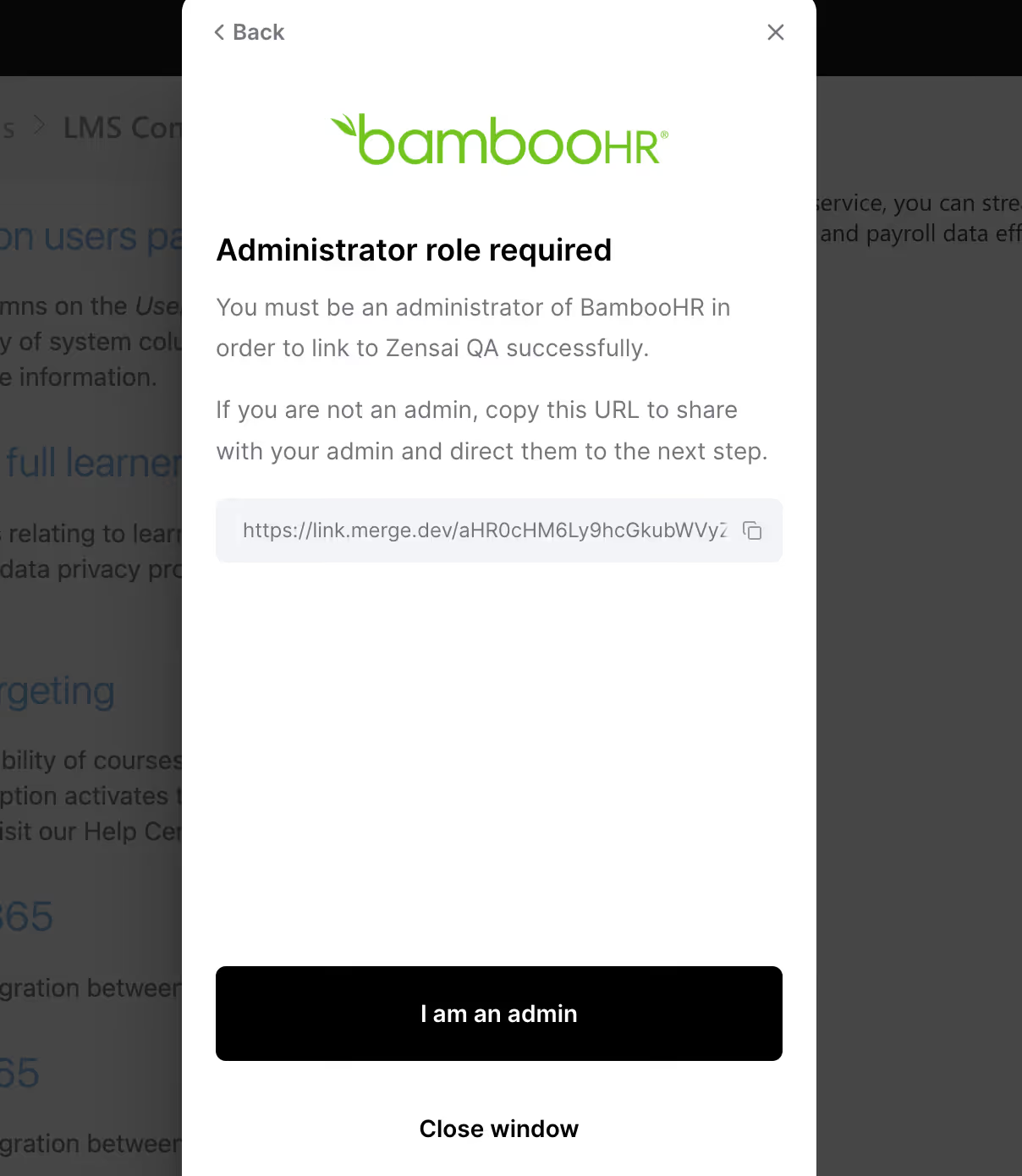
2. The user would select a particular integration and authenticate to it through a few guided steps via Merge Link.
3. Once an integration is authenticated successfully, a wide range of employee data gets populated in Learn365. This includes employees’ full names, employment types, job titles, departments, office locations, and more.
This data is also resynced every few hours and certain types of data are synced bidirectionally, such as course completions.
Here are some of the use cases these HRIS integrations unlock:
- Automated user provisioning: As employees get added and removed (or marked as deactivated) in the integrated HRIS, the corresponding activities take place in employees’ profiles in Zensai. This ensures new hires get access to Zensai on time and departing employees can no longer access Zensai and any sensitive data stored in the app
- Personalized course assignments: Based on a customer’s rules for assigning courses and data like an employee’s start date, employment type, job title, and more, employees can receive the right set of courses at the right time
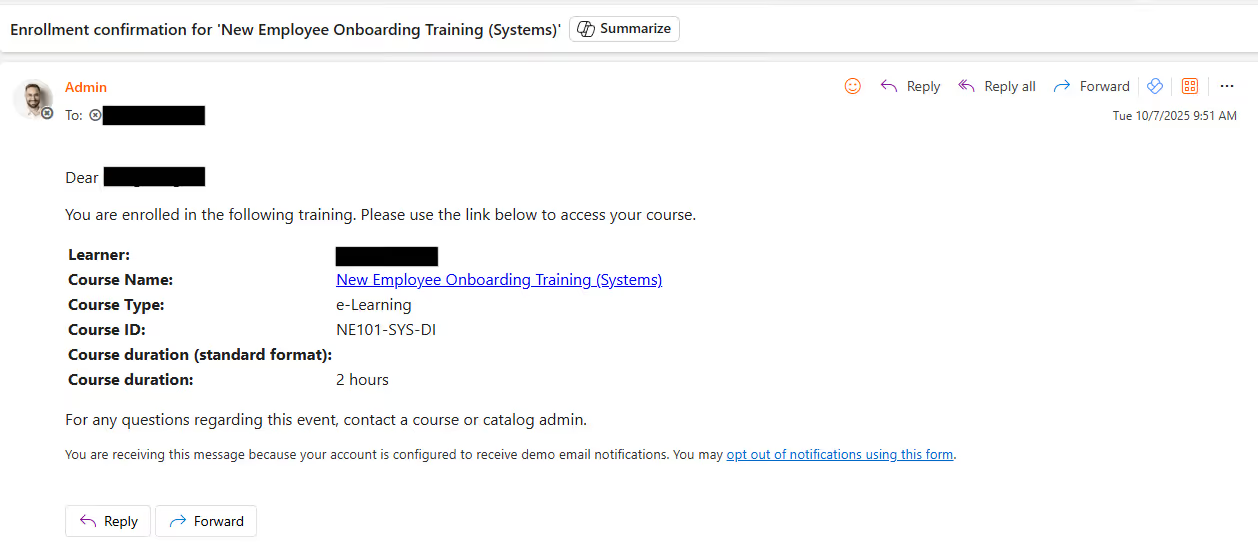
- Granular and actionable reports: Admin users can filter course completion information by the integrated data—like department, office, level of seniority, and more—to identify the employee groups behind on compliance trainings, measure the impact particular courses have on employee performance, and more
Outcome
Saving USD 400K+ in engineering costs and closing meaningful business
By outsourcing their HRIS integrations to Merge, Zensai has been able to save at least USD USD 400K in engineering costs.
“Without Merge, we would have needed to hire at least two full-time engineers who are dedicated to adding and maintaining HRIS integrations. Now we only need one person to manage Merge’s HRIS integrations, and they don’t need to allocate a significant amount of their time to this,” explains Andy.
These integrations have also driven clear commercial outcomes.
According to Andy:
“Within the first three months of using Merge, our HRIS integrations have enabled our team to close several new customers—representing more than USD 300K in ARR. This translates to a 6X return on investment.”
Beyond the product, Zensai has been impressed with Merge’s post-sales team. Andy provides more context:
“Merge’s team is extremely responsive and knowledgeable of our integration use cases, which led us to get onboarded quickly and easily. They’ve also introduced us to the right points of contact across our integration partners. This helped us get listed on their sites, which drives significant awareness of and interest in Zensai.”
So, what’s next in Zensai’s integration journey with Merge?
“We’re exploring ways to make Merge’s HRIS integrations even more bidirectional across our solutions. This will help HR leaders make faster, more informed decisions within their system of record,” explains Andy.
We look forward to helping Zensai build deeper HRIS integrations in the months to come.
Customer stories
.webp)

.svg)


Make integrations your competitive advantage
Stay in touch to learn how Merge can unlock hundreds of integrations in days, not years

But Merge isn’t just a Unified
API product. Merge is an integration platform to also manage customer integrations. gradient text
But Merge isn’t just a Unified
API product. Merge is an integration platform to also manage customer integrations. gradient text
But Merge isn’t just a Unified
API product. Merge is an integration platform to also manage customer integrations. gradient text
But Merge isn’t just a Unified
API product. Merge is an integration platform to also manage customer integrations. gradient text